
Seven days in Tanzania is enough to experience three of Africa’s greatest wildlife destinations — and come home with memories that last a lifetime. This 7-day Tanzania safari itinerary is the backbone of our Classic Safari: a carefully sequenced route through Tarangire National Park, the Serengeti, and Ngorongoro Crater that balances variety, game density, and unhurried time in the bush.
Itinerary Overview
| Day | Destination | Highlights |
|---|---|---|
| Day 1 | Arrive Arusha | Meet your guide, briefing, Arusha lodge |
| Day 2 | Tarangire National Park | Enormous elephant herds, baobab landscapes, lions |
| Day 3 | Drive to Central Serengeti | En-route game drive, Seronera Valley, big cats |
| Day 4 | Full Day Serengeti | Sunrise drive, leopards, cheetahs, hippo pools |
| Day 5 | Migration Zone (seasonal) | Calving plains or Mara River crossings depending on month |
| Day 6 | Ngorongoro Crater | Crater floor descent — lions, rhinos, flamingos |
| Day 7 | Depart Arusha / JRO Airport | Optional crater-rim walk, transfer to airport |
Day-by-Day Breakdown
Day 1 — Arrival in Arusha
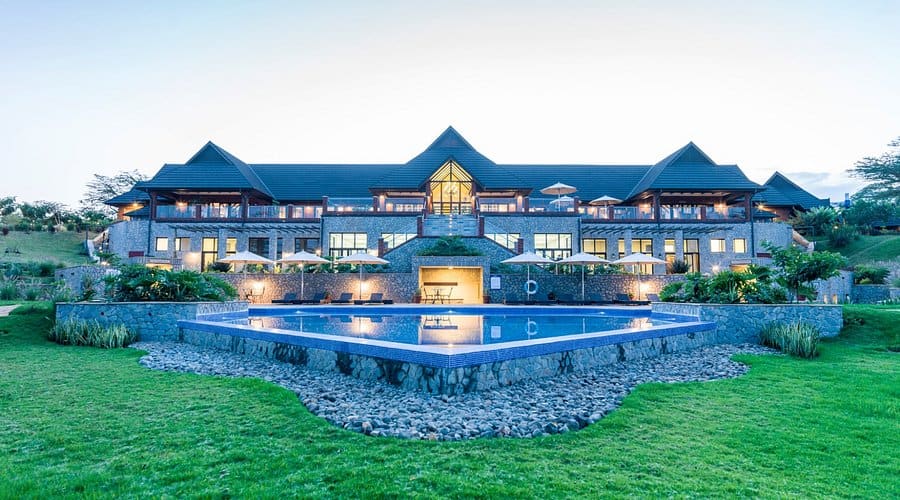
Your safari begins in Arusha, the safari capital of Tanzania, set at the foot of Mount Meru. After landing at Kilimanjaro International Airport, your Africa’s Wild Wonders guide meets you for the transfer to your lodge. The evening is for settling in, a welcome dinner, and a briefing on what lies ahead.
Day 2 — Tarangire National Park
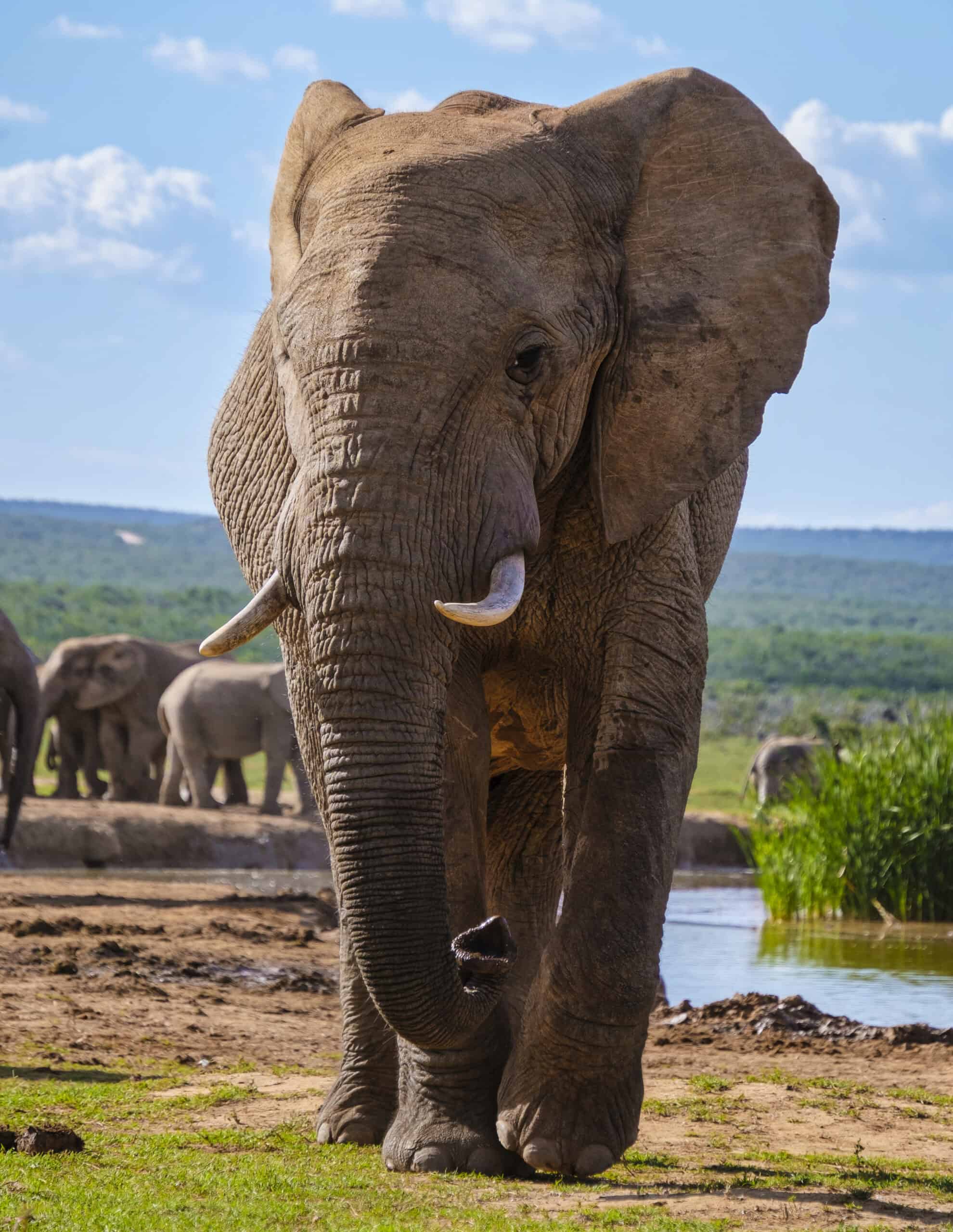
An early departure brings you to Tarangire by mid-morning — roughly 2.5 hours from Arusha. Tarangire is Africa’s elephant park: hundreds of elephants converge on the Tarangire River, the only water source for miles, creating one of the densest elephant concentrations on the continent. Ancient baobab trees, some over a thousand years old, dot the landscape. Beyond elephants: lions, leopards, cheetahs, and over 550 bird species.
Day 3 — Drive to Central Serengeti
Today you make your way to the Serengeti — 3.5–4 hours from Tarangire, with game drives en route through the Ngorongoro Conservation Area. The moment the road flattens onto the endless Serengeti plain, something shifts. The sky feels bigger. Animals appear on every side.
The afternoon is your first game drive in the Seronera Valley, the wildlife-rich heart of the central Serengeti — the highest resident density of lions and leopards in the entire ecosystem.
Day 4 — Full Day in the Serengeti
Today belongs entirely to the Serengeti. Leave camp before sunrise for the best light and most active predators. A packed breakfast in the bush, eaten on a kopje with a view across the plains, is one of those moments that stays with guests for years.
The afternoon offers cheetah sightings on the open grassland, hippos jostling in the Seronera River, and a sundowner as the sky turns amber and violet.
Day 5 — Migration Zone (Seasonal)
Day 5 adapts to the time of year:
- January–March: South to the Ndutu Plains for the calving season — up to 8,000 wildebeest calves born per day, with cheetahs, lions, and hyenas working the herds.
- July–October: North to Kogatende for Mara River crossing opportunities — the most dramatic wildlife spectacle on Earth.
- April–June / November–December: Central Serengeti, focusing on resident predators and the green-season atmosphere.
Your guide monitors conditions in real time and positions you accordingly.
Day 6 — Ngorongoro Crater
The drive from the Serengeti to Ngorongoro (2–3 hours) crosses highland forest — a dramatic landscape change. You descend into the crater at 7 am, when the light is soft and predators are still active.
The Ngorongoro Crater is a collapsed volcanic caldera, 19 kilometres across, home to approximately 25,000 large animals. It contains Tanzania’s densest lion population and is one of the best places on Earth to see the critically endangered black rhinoceros. Flamingos line the alkaline Lake Magadi. Elephants with ancient tusks wander the forest edges.
Day 7 — Depart for Arusha / Kilimanjaro Airport
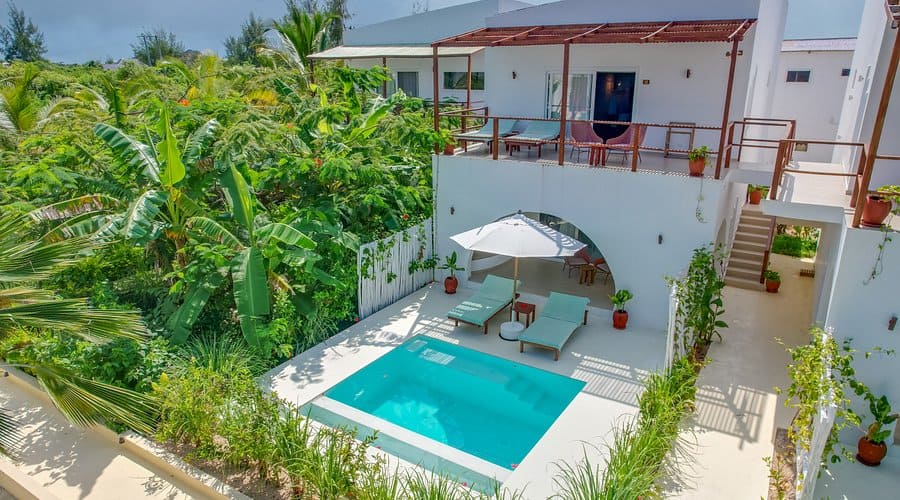
An optional early morning crater-rim walk through highland forest. After breakfast, your guide drives you back to Arusha or directly to Kilimanjaro International Airport. For guests wishing to extend, we recommend adding 3–4 nights in Zanzibar for a bush-to-beach finish.
What You’ll See on This Route
- Big Five: Lion, leopard, elephant, buffalo, and black rhino (Ngorongoro)
- Great Migration herds (seasonal positioning)
- Cheetah — Serengeti and Ndutu plains
- Wild dog — possible in Tarangire
- Hippo & crocodile — Seronera and Tarangire rivers
- 700+ bird species across all three parks
Best Time for This 7-Day Itinerary
| Season | Months | Highlights |
|---|---|---|
| Dry Season | June – October | Best overall wildlife; animals concentrate at water; low vegetation for easy sightings |
| Calving Season | January – February | Wildebeest calving on southern Serengeti plains; extraordinary predator action; fewer crowds |
| Green Season | November – May | Lush landscapes; lower prices; excellent birdwatching; some roads may be muddy |
Book This 7-Day Tanzania Safari
This itinerary is the foundation of our Classic Safari package, starting from $4,800 per person. All park fees, accommodation, meals, private vehicle, and your dedicated driver-guide from Arusha are included.
View the Classic Safari package or send us a message to check availability for your dates.
Frequently Asked Questions
Is 7 days enough for a Tanzania safari?
Seven days is an excellent first safari — long enough to cover three parks without feeling rushed. For guests who want to add Zanzibar or the Kilimanjaro climb, we recommend 10–14 days.
How much does a 7-day Tanzania safari cost?
Our Classic Safari (7 days, 3 parks, private vehicle, all meals) starts from $4,800 per person. See our full packages for a detailed breakdown.
Is this itinerary suitable for first-time safari-goers?
Absolutely — it is our most popular itinerary for first-timers. Maximum variety at a manageable pace. No prior safari experience needed.
Can this be extended to include Zanzibar?
Yes. Adding 3–4 nights in Zanzibar after Ngorongoro creates a classic bush-to-beach safari. We arrange all internal flights and transfers.
Written by the team at Africa’s Wild Wonders, Arusha-based safari specialists since 2015.
Further reading: Read about the Great Migration in Tanzania 2026, plan your Tanzania safari and Zanzibar beach extension, or check Tanzania safari costs for 2026.
Book This 7-Day Itinerary
This exact route — Tarangire, Serengeti, Ngorongoro — is one of our most-booked safaris. Want to add Zanzibar at the end? We handle that too.
7-Day Tanzania Classic Safari
7 days · from $3,500/pp
Tarangire, Serengeti & Ngorongoro Crater. The northern circuit highlights with comfortable mid-range lodges.
View Itinerary →10-Day Tanzania Safari + Zanzibar
10 days · from $5,200/pp
Six days of safari followed by four days of beach on Zanzibar. The complete bush-to-beach experience.
View Itinerary →