
Planning a safari in Tanzania is one of the most exciting decisions you’ll ever make, and one of the most common questions we hear is: how much does a Tanzania safari cost? It’s a fair question, and we’d rather give you a straight answer than dance around it. The honest truth is that Tanzania safari cost varies enormously depending on where you go, when you travel, how you travel, and what level of comfort you’re looking for. We’ve seen travelers do meaningful, wildlife-rich safaris for around $150 a day, and we’ve seen others spend $1,500 a day for an experience that borders on the extraordinary. In this guide, we break it all down clearly, so you can figure out exactly what kind of safari makes sense for your budget and your travel style.

What Affects the Cost of a Tanzania Safari?
Before we get into the numbers, it helps to understand what’s actually driving the price. Tanzania safari prices aren’t random, they reflect a set of real, concrete factors. Here’s what matters most:
Time of Year
Tanzania’s peak season runs from late June through October, when the Great Migration is in full swing in the Serengeti and the dry season makes wildlife viewing exceptional. Prices during this window are at their highest. The “green season” (November through May) brings lower rates. Sometimes 20–40% less, along with fewer crowds and lush, photogenic landscapes. The trade-off is that some roads become difficult and certain camps close entirely. The shoulder months of June and November often offer the best of both worlds.
Accommodation Type
This is where the biggest price gaps appear. A basic tented camp with shared facilities operates on a very different cost model than a private luxury lodge with plunge pools and butler service. In between, you’ll find mid-range tented camps and lodges that deliver real comfort, excellent food, and attentive service without the premium price tag. The accommodation you choose will likely be the single biggest driver of your overall safari cost.
Parks and Destinations
Tanzania’s national parks charge conservation fees that vary by location. The Serengeti and Ngorongoro Crater are the most expensive. Ngorongoro alone runs $200 per vehicle per entry, while parks like Tarangire, Lake Manyara, and Ruaha offer world-class game viewing at significantly lower fee structures. An itinerary heavy on the most famous parks will cost more than one that incorporates lesser-known gems.
Group Size and Private vs. Shared Vehicles
Traveling as a couple on a private safari is more expensive per person than joining a small group sharing a vehicle. That said, private safaris allow you to set your own pace, linger at sightings as long as you like, and tailor the experience entirely to your interests. For many travelers, the extra cost is absolutely worth it.
Duration
Longer safaris spread fixed costs (international flights, internal transfers, visas) across more days, which can actually improve the overall value. A 10-day safari is rarely twice the cost of a 5-day safari once you account for those one-time expenses.
Tanzania Safari Budget Tiers: What Each Price Point Gets You
Budget Safaris: $150–$250 per person, per day
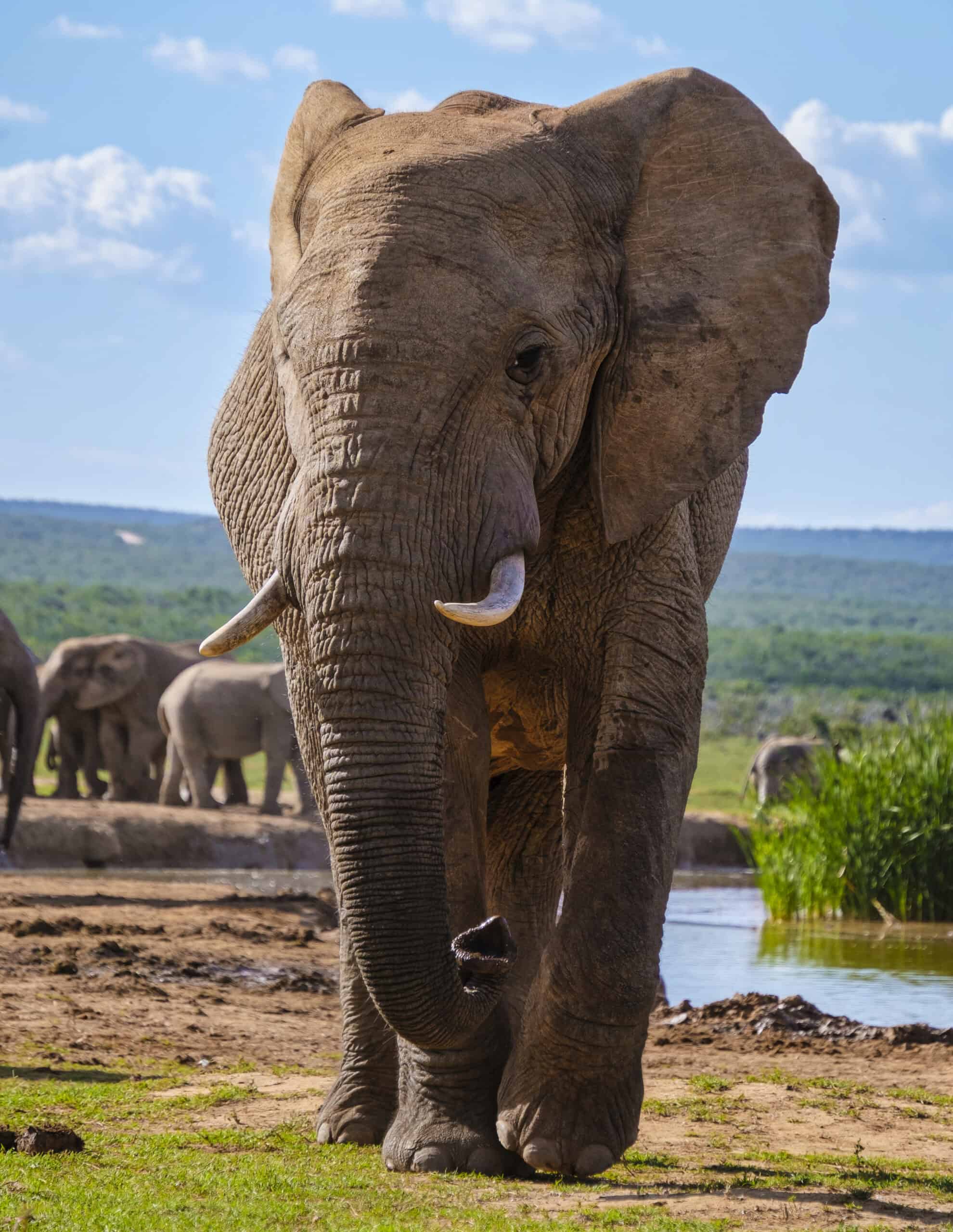
At this price point, you’re typically looking at basic tented camps or budget lodges with shared bathrooms, group vehicles that may seat six to eight people, and a no-frills but functional experience. The wildlife doesn’t change because your budget is smaller. A lion is still a lion, but the comfort level and pace of the experience will be quite different from higher tiers. Budget safaris can be a great entry point, particularly for younger travelers or backpackers, but be aware that the tradeoffs are real: less attentive guiding, fewer game drives, and more time spent in transit.
Mid-Range Safaris: $400–$700 per person, per day
This is the sweet spot for most travelers, and it’s where we focus much of what we do at Africa’s Wild Wonders. In this range, you can expect comfortable en-suite tented camps and lodges, experienced and knowledgeable guides, private or semi-private vehicles, and full board accommodation with all meals included. The service is attentive, the camps are well-run, and you’ll wake up to the sounds of the bush without sacrificing a good night’s sleep. Tanzania safari packages prices in this range represent excellent value for what’s actually included.
Luxury Safaris: $700–$1,500+ per person, per day
At the luxury end, you’re looking at private conservancy access, exclusive-use camps, world-class cuisine, spa services, private guides, and the kind of personalization that makes you feel like the entire bush has been arranged just for you. These camps often sit on private land adjacent to national parks, meaning you can do activities that aren’t permitted inside park boundaries, night drives, walking safaris, off-road driving. If budget isn’t a primary constraint, this level of experience is genuinely transformative.
What’s Included in a Tanzania Safari Package?
Understanding what’s included (and what isn’t) is key to accurately comparing Tanzania safari packages prices. A reputable operator will package most of the major on-the-ground costs together. Here’s what you should typically expect:
- Accommodation. All nights at camps or lodges throughout the itinerary
- Meals. Full board (breakfast, lunch, and dinner) is standard; many camps also include bush breakfasts, sundowners, and bush dinners
- Game drives. Morning and afternoon drives are standard; some properties offer additional drives or walks
- Park and conservation fees. These should be included by your operator and represent a significant cost, particularly in high-fee parks
- Airport and camp transfers. Including pickup from Kilimanjaro International Airport (JRO) and transfers between parks
- A professional safari guide. Your guide’s accommodation and meals are covered by the operator
- Bottled water and soft drinks. Included during game drives at minimum; many mid-range and luxury camps include all beverages
Hidden Costs Travelers Often Forget
We want to be upfront about this because we’ve seen travelers surprised by costs they hadn’t anticipated. A safari package covers a lot, but not everything. Here’s what to budget for separately:
- International flights. Round-trip flights to Kilimanjaro (JRO) or Dar es Salaam (DAR) from the US or Europe typically run $1,200–$2,500 per person depending on origin, season, and how far in advance you book
- Tanzania visa. Most nationalities require a visa, currently $50 per person, available on arrival or via the Tanzania e-visa portal
- Travel insurance. Non-negotiable. A policy covering trip cancellation, emergency medical evacuation, and safari activities typically costs $150–$400
- Gratuities. Tipping is customary. Budget approximately $10–$15 per day for your guide and $5–$10 per day for camp staff
- Alcoholic beverages. Premium alcohol is often excluded even at camps that include other drinks
- Souvenirs and personal purchases. Curio shops in Arusha and at camps are hard to resist
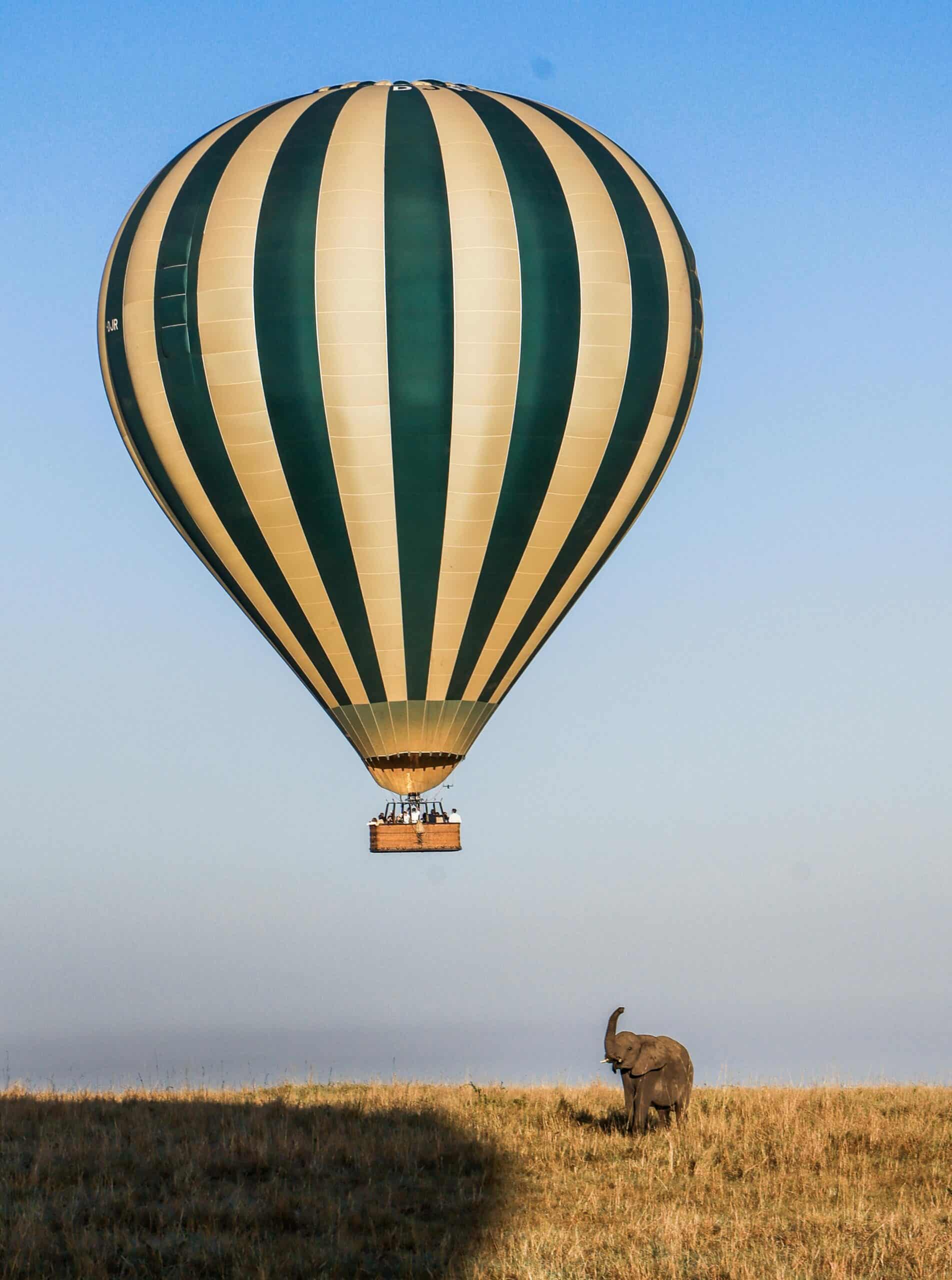
- Optional activities. Hot air balloon safaris over the Serengeti (typically $500–$600 per person) or cultural village visits carry additional costs
Our Packages and What They Cost
At Africa’s Wild Wonders, we’re transparent about our pricing because we believe you deserve to know what you’re getting and what you’re paying for. Here’s an overview of our core offerings:
Classic Safari. From $4,800 per person
Our Classic Safari runs 5 to 7 days and covers Tanzania’s iconic northern circuit. Typically Tarangire, the Serengeti, and Ngorongoro. It’s priced at the upper end of mid-range, which means you’re traveling in comfort without paying for extras you may not need. This is our most popular option for first-time Tanzania visitors, and it consistently delivers.
Signature Safari & Beach. From $8,500 per person
For travelers who want more, more parks, more time, and the chance to unwind on Zanzibar’s white-sand beaches after the bush. Our Signature package runs 10 to 14 days. It combines an in-depth northern circuit safari with a Zanzibar beach extension, offering a deeply satisfying contrast between the drama of the Serengeti and the tranquility of the Indian Ocean.
Kilimanjaro Climb. From $6,500 per person
For the adventure-minded traveler, we offer guided Kilimanjaro climbs on multiple routes. Machame, Lemosho, and Rongai among them. Our package covers all park fees, mountain guides, porters, camping equipment, meals on the mountain, and transfers from Arusha. Many clients combine a Kili climb with a post-summit safari, which is one of the great adventure combinations in the world.
Is a Tanzania Safari Worth the Cost?
We’re biased, obviously, but we’ll also tell you honestly that the answer isn’t always yes for everyone. If you’re coming expecting a theme park experience or a guaranteed Big Five checklist ticked off in 72 hours, you may be disappointed regardless of budget. A safari is a wildlife experience in wild places, and nature doesn’t perform on demand.
But if you come with the right mindset, open, curious, willing to sit with a scene and let it unfold. A Tanzania safari has a way of becoming one of the defining experiences of a lifetime. Watching a cheetah scan the Serengeti plains at dawn, hearing lions calling across the crater rim at night, seeing a herd of 300 elephants crossing a dry riverbed in Tarangire. These are not things you can replicate anywhere else on earth. When measured against what it actually delivers, the cost of a Tanzania safari represents remarkable value for the right traveler.
Ready to Plan Your Tanzania Safari?
We’ve helped hundreds of travelers find the right safari for their budget, their timeline, and their travel style, and we’d love to do the same for you. Whether you have a firm number in mind or are still figuring out what’s possible, we’re here to give you straight answers and honest advice.
Browse our full range of Tanzania safari packages to get a sense of what we offer, or get in touch with our team to start planning a trip built around exactly what you’re looking for. We’re based in Arusha, we know this landscape inside and out, and we can’t wait to share it with you.
Further reading: See our 7-day Tanzania safari itinerary, find out the best time to visit the Serengeti, or read our Tanzania safari and Zanzibar beach guide.
See What These Prices Actually Get You
Here are the three tours behind the costs above. Each includes accommodation, transport, park fees, and a private guide — no hidden extras.
7-Day Tanzania Classic Safari
7 days · from $3,500/pp
Tarangire, Serengeti & Ngorongoro Crater. The northern circuit highlights with comfortable mid-range lodges.
View Itinerary →10-Day Tanzania Safari + Zanzibar
10 days · from $5,200/pp
Six days of safari followed by four days of beach on Zanzibar. The complete bush-to-beach experience.
View Itinerary →Great Migration Photographic Safari
8 days · from $6,500/pp
Track the wildebeest migration with a private guide and dedicated photo vehicle. Calving or river crossings.
View Itinerary →More to Read